

Why gift sustainable products: ethical choices that last
TL;DR:
- Sustainable gifts use responsible materials, ethical labour, and minimize environmental harm.
- Consumers are increasingly willing to pay a premium for genuinely sustainable products.
- Choosing eco-friendly gifts supports fair trade, artisan skills, and reduces environmental impact.
Choosing a gift feels personal, but it carries a wider story than most people realise. Behind every wrapped present lies a chain of decisions about materials, labour, and environmental cost. Many of us assume that a thoughtful gesture is enough, yet sustainable gifting adds an entirely different dimension to that act of generosity. When you choose products made ethically, from materials like cork or upcycled fabrics, you are not just giving an object. You are giving a statement of values. This article explores what sustainable gifting really means, why it matters, and how to do it with style.
Table of Contents
- What makes a product truly sustainable?
- Why gifting sustainably matters: The ethical and social impact
- Do people really care? Evidence from current trends
- How to gift sustainably: Practical steps and style tips
- The real reason we should rethink gifting habits
- Discover stylish and sustainable gifting options
- Frequently asked questions
Key Takeaways
| Point | Details |
|---|---|
| Ethical gifting amplifies impact | Sustainable presents support fair trade, local artisans, and eco values far beyond novelty. |
| Most want to buy better | Nearly three-quarters of shoppers are open to paying more for genuinely sustainable gifts. |
| Mind the value-action gap | Intentions don’t always lead to action, so prompt yourself and your circle with clear eco-labels and conscious choices. |
| Practical steps make giving easy | Eco-friendly gifting is simple with the right tools: look for certifications, choose quality, and present stylishly. |
What makes a product truly sustainable?
The word “sustainable” appears on everything from carrier bags to luxury handbags, yet its meaning is rarely pinned down. In gifting, a truly sustainable product satisfies three broad conditions: it uses responsible materials, it is produced through ethical labour practices, and its manufacturing process minimises environmental harm. Meeting all three is harder than it sounds, which is why so many products claim the label without earning it.
Green washing is the practice of making a product appear more eco-friendly than it actually is. Brands might use nature-inspired imagery or vague phrases like “made with care for the planet” without offering any verifiable evidence. Spotting the difference matters, especially when you want your gift to reflect genuine values rather than clever marketing.
Truly sustainable options include:
- Vegan alternatives: Products free from animal-derived materials, such as cork leather handbags or wallets, which replace conventional leather without compromising durability or style.
- Upcycled and recycled materials: Items made from post-consumer waste that would otherwise end up in landfill.
- Ethically harvested natural materials: Cork, for example, is stripped from living trees without harming them, making it one of the most renewable materials available.
- Locally produced goods: Shorter supply chains reduce transport emissions and support community economies.
Understanding eco-friendly fashion terms helps you cut through marketing noise quickly. Once you know what words like “biodegradable,” “certified organic,” or “fair trade” actually require, spotting genuine claims becomes far easier.
Transparency is the clearest signal of authenticity. Ethical brands publish information about their suppliers, materials, and production processes. Third-party certifications such as Fair Trade, B Corp, or the Global Organic Textile Standard (GOTS) require independent auditing, so they carry real weight. Knowing how to identify eco accessories gives you a reliable framework before you spend a penny.
Pro Tip: When assessing a potential gift brand, search for their supply chain statement. If they cannot tell you where their materials come from or who made the product, that silence is itself a red flag.
Why gifting sustainably matters: The ethical and social impact
Once you understand what sustainability means in practice, the results of choosing ethically become vivid. Gifting sustainable products supports ethical practices, fair trade, local artisans, and promotes conscious consumerism across entire communities.
Small, artisan-led businesses often sit behind the most genuinely sustainable products. Many of these are women-led enterprises in regions where fair wages remain the exception rather than the rule. When you buy from them, your money flows directly into livelihoods, not into corporate profit margins. That financial dignity ripples outward: better-paid workers invest in their families, local schools, and community infrastructure.
“Every purchase from a fair-trade artisan is a vote for a world where good work is properly rewarded.”
Here are the key ways your sustainable gift supports ethical practices:
- Fair wages: Certified brands pay workers above minimum wage standards, reducing exploitation in global supply chains.
- Artisan skill preservation: Buying handcrafted goods keeps traditional techniques alive that mass production would otherwise erase.
- Gender equity: Many ethical producers actively prioritise employment for women, supporting economic independence.
- Community investment: Profits from small ethical brands often fund local health, education, or infrastructure projects.
- Environmental responsibility: Ethical producers use fewer harmful chemicals and less water, protecting the land and people around the factory.
Exploring accessories respecting nature shows how materials like cork connect these social and environmental threads elegantly. Cork harvesting, for instance, provides stable income for rural Portuguese communities while leaving forests intact.

Choosing ethical style is not about sacrifice. It is about directing spending power deliberately, knowing that transforming ethical accessories into gifts amplifies that intention far beyond the moment of giving.
Pro Tip: Gifting from a small, independent ethical brand doubles the positive impact: you support a living wage and reduce the environmental footprint simultaneously, all while giving something genuinely unique.
Do people really care? Evidence from current trends
With the ethical case established, a fair question arises: do consumers actually value sustainable gifts, or is this still a niche preference? Research gives a nuanced, and rather encouraging, answer.
Globally, 66% of consumers are willing to pay a premium for sustainable products, rising to 72% across Europe. Younger generations, particularly Gen Z and millennials, lead this shift, followed closely by women across most demographic groups. Eco-label prompting research further confirms that simple nudges, such as clear eco-labels at the point of purchase, meaningfully increase sustainable choices.
| Demographic group | Willingness to pay more | Notes |
|---|---|---|
| Global average | 66% | Consistent across categories |
| European consumers | 72% | Highest regional figure |
| Gen Z | Very high | Values-driven purchasing |
| Millennials | High | Loyalty to ethical brands |
| Women (all ages) | Above average | Lead sustainable behaviour |
However, sustainable behaviour research reveals a persistent gap between what people say and what they do. Consumers often neglect sustainability at the actual moment of decision, distracted by price, convenience, or habit. This is known as the value-action gap.
Three reasons the gap persists:
- Cognitive overload: Too many competing claims make it hard to assess which products are genuinely better.
- Price sensitivity: Premium pricing, even when justified, triggers hesitation at checkout.
- Normalised consumption: Shopping habits formed over decades are resistant to change, even when values evolve.
There is also a subtler risk worth naming. Buying one “green” item can create a psychological licence to consume more overall, a pattern researchers call the rebound effect. Understanding why eco fashion matters helps counter this by anchoring decisions in long-term values rather than momentary satisfaction. And why invest in eco accessories explores the broader picture of what choosing quality over quantity actually means in practice.
How to gift sustainably: Practical steps and style tips
Knowing why sustainable gifting matters is useful. Knowing how to do it confidently is what actually changes behaviour. Here is a practical framework for choosing gifts that look stylish and do genuine good.
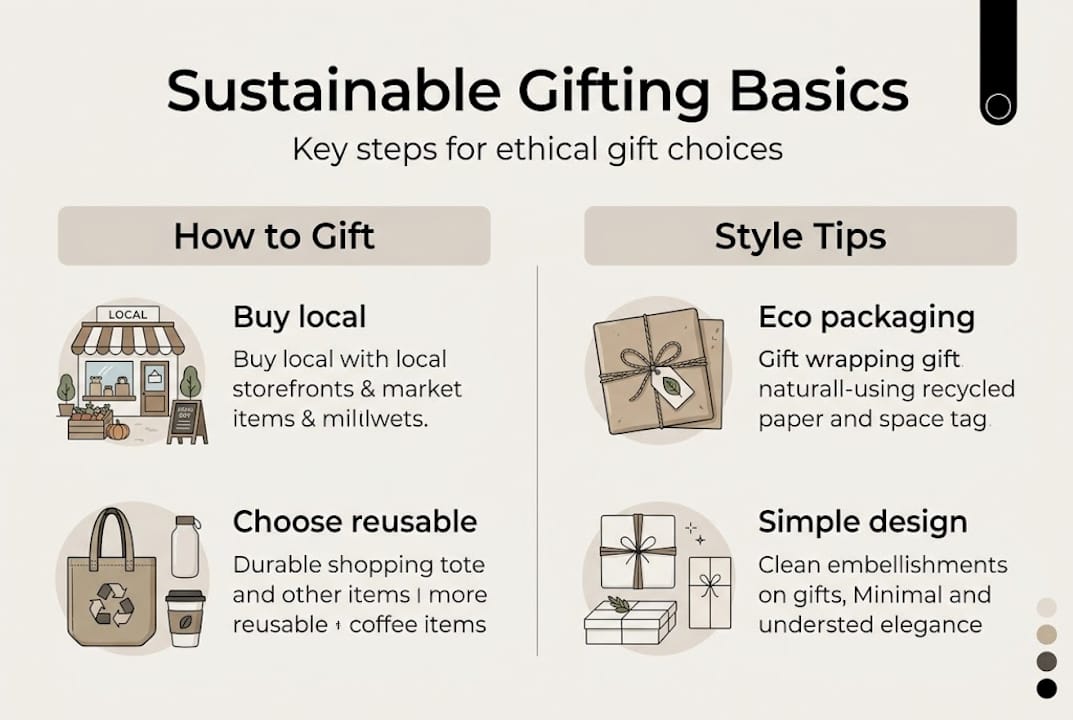
| Gifting method | Environmental benefit | Style potential | Example |
|---|---|---|---|
| Locally made | Low transport emissions | High (unique, artisan) | Handcrafted cork wallet |
| Recycled or upcycled | Diverts waste from landfill | Medium to high | Upcycled fabric tote |
| Low-carbon production | Reduced manufacturing footprint | High | Certified vegan handbag |
| Vegan materials | No animal harm | Very high | Cork leather backpack |
The comparison above shows that cork accessories sit comfortably at the intersection of maximum ethics and maximum style. They are a strong argument against the idea that sustainable choices require aesthetic compromise.
Steps for vetting a brand before you buy:
- Check their transparency page: Does the brand name their suppliers or share production details?
- Look for third-party certifications: Fair Trade, B Corp, or equivalent independent auditing adds credibility.
- Read their material sourcing statement: Vague descriptions like “natural materials” mean nothing without specifics.
- Search for independent reviews: Community feedback often surfaces what marketing hides.
- Ask directly: Ethical brands welcome questions about their process; evasive answers reveal a lot.
Presentation matters too. Eco packaging, such as recycled tissue, seed paper cards, or reusable fabric wrapping, extends the sustainable message from the gift itself to the entire gifting experience. It signals thoughtfulness at every layer.
One critical note: sustainable consumer research warns that eco-conscious purchasing can sometimes encourage more overall buying. The antidote is prioritising quality over quantity. One considered, beautifully made sustainable handbag will outlast and outperform a pile of cheaper alternatives in both longevity and meaning.
The real reason we should rethink gifting habits
It is tempting to feel satisfied after buying one sustainable gift. You have ticked a box, chosen something ethical, and moved on. But real change rarely works like that.
Consumers often neglect sustainability in everyday decisions despite holding strong environmental values. That gap between intention and action is the frontier where genuine progress lives. Sustainable gifting is not just about the object you hand over. It is about the conversation it starts, the curiosity it sparks in the recipient, and the standard it sets in your own habits.
Research confirms that eco-label prompting shifts behaviour measurably, but only when it becomes a consistent part of decision-making, not a one-off gesture.
We believe the most powerful thing a sustainable gift does is model a different way of thinking. When someone receives a cork accessory that is beautiful, durable, and cruelty-free, it challenges the assumption that ethical products are a compromise. That challenge is worth more than any individual purchase.
Commit to fewer, better gifts. Use each occasion deliberately. Explore how innovation in ethical style continues to make sustainable choices more accessible and exciting. Real impact comes from making this a practice, not a gesture.
Discover stylish and sustainable gifting options
If you are ready to move from intention to action, the right starting point matters. At The Cork Store, every product is crafted from natural, vegan-friendly cork material, offering a genuinely ethical alternative to leather accessories without compromising on elegance or durability.
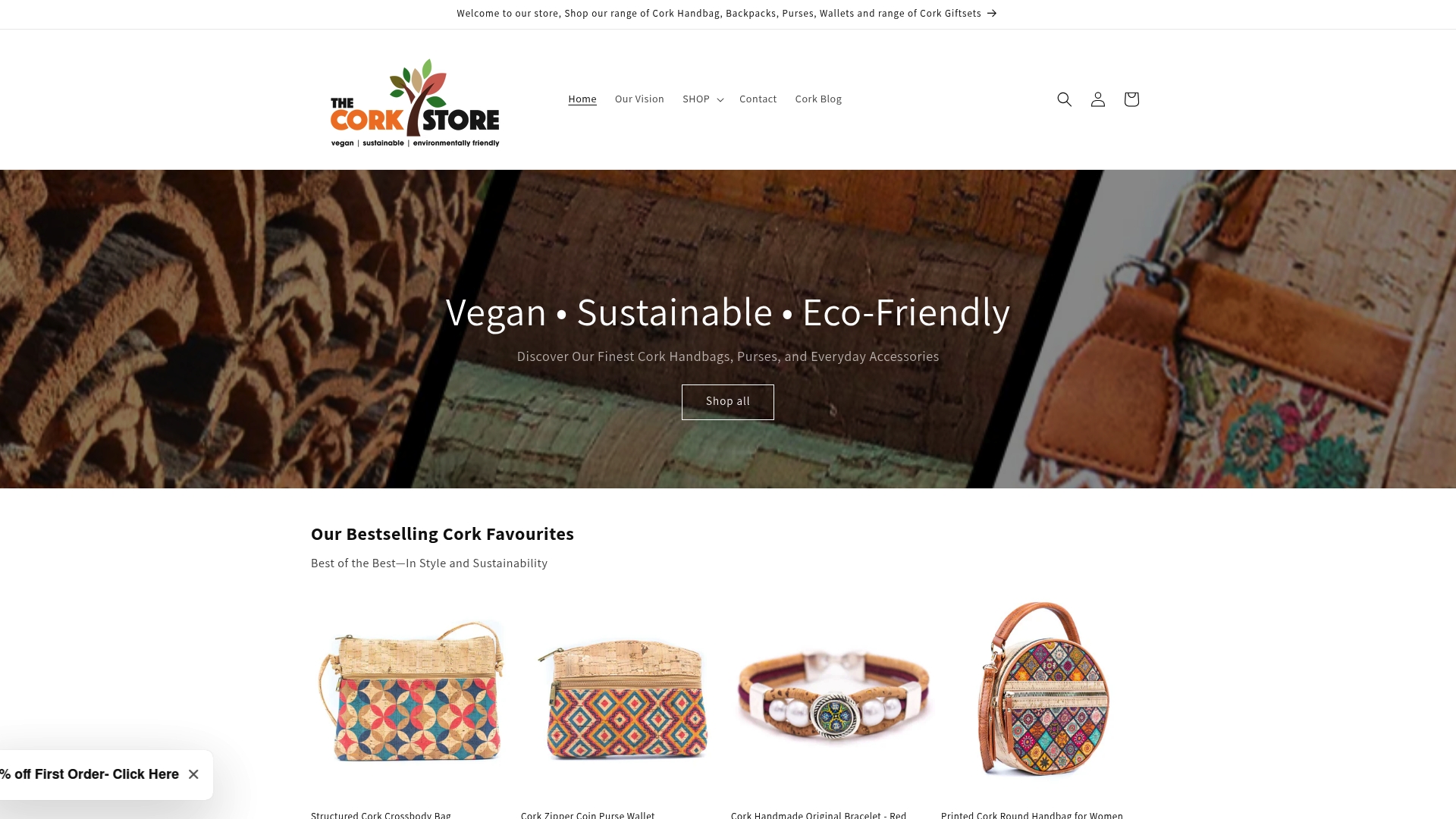
From cork handbags to gift sets designed for conscious giving, the collection is curated for people who want their choices to reflect their values. Whether you are shopping for a birthday, anniversary, or simply want to give something with meaning, you will find options that look exceptional and do genuine good. Our eco-friendly fashion guide is a great companion resource to help you shop with confidence.
Frequently asked questions
What makes a product a truly sustainable gift?
A truly sustainable gift uses eco-friendly materials, ethical labour, and transparent supply chains, ensuring both planet and people are respected. Sustainable gifting also supports fair trade and promotes conscious consumerism.
Are people really willing to pay more for sustainable gifts?
Yes, studies show 66 to 72% of consumers, especially across Europe, are willing to pay a premium for sustainable gifts, with younger generations and women leading this trend.
Does buying sustainable gifts always lower overall consumption?
Not always. Sometimes buying “green” products makes people feel justified in buying more overall, a pattern known as the rebound effect, as overconsumption research confirms.
How can I check if a gift is genuinely sustainable?
Look for clear eco-certifications such as Fair Trade or B Corp, research the brand’s transparency, and use eco-label guidance to distinguish genuine claims from green washing.
Why is gifting sustainable products important for the recipient?
It shows you care about their values and the wider world, because sustainable gifts signal respect for both the person and the ethical and environmental impact behind the choice.